The Two-Faced Approach to Regulating Big Tech; why ransomware attacks keep on happening ; and how VR could change real estate.
The Two-Faced Approach to Regulating Big Tech
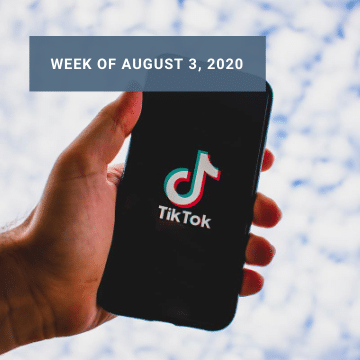
Regulating Big Tech. Big The popular Chinese short-form video app TikTok has been making headlines since its origins back in 2018. The reasons behind its quick ascend to fame are a no-brainer.
TikTok lets anyone produce and edit videos effortlessly, and is
powered by an incredibly effective recommendations algorithm that makes
scrolling down its feed highly addictive.
The platform has also become a meeting place for younger
generations that had so far eluded traditional social media outlets like
Twitter and Facebook. And brands love that.
Given its huge monetization potential, then, it’s no surprise
that TikTok’s has also attracted the attention of powerful interests. For good
and for ill.
After threatening to ban the app under suspicions of Chinese-sponsored espionage, the U.S. government –and Trump– had a new message:
It’s okay as long as Microsoft buys TikTok’s U.S. business before mid-September. Oh, and the government should get a cut of the benefits.
Only that now it appears that Microsoft might want to buy TikTok’s entire global business.
The new episode of this serialised drama comes just a week after Big Tech leaders appeared before U.S. Congress to defend themselves against accusations of monopoly and unfair competition. Now one big tech company might get even larger.
Whatever it takes to win a trade war and fatten the national coffers.
And that’s why ransomware attacks keep on happening
This past month has
been a busy one for cybersecurity.
First Twitter got hacked by what turned out to be an
amateur group of teenagers. Then the
smartwatch maker Garmin was knocked out by a ransomware attack that kept its
services down for days.
Well, new information emerged this week suggesting that Garmin
paid a multi-million dollar ransom in
exchange for a decryption key to recover its files.
Garmin would have supposedly made the payment through an
intermediary, Arete IR, which provides ransomware negotiation services.
A great ending for EvilCorp, the Russian hacking organisation
thought to be behind the attack. Or maybe not?
In fact, Arete IR claims that WastedLocker, the ransomware
strain used in this occasion, is not consistent with the Russian group’s modus
operandi. Another player might be responsible.
Whoever is the real culprit, the fact that a large multinational company like Garmin has opted to pay the ransom sets a dangerous precedent in the fight against cybercrime.
No wonder these attacks keep on happening.
Also read our Weekly News: A Ransomware Attack, Self-Taught Robots and Online Abuse: The Week in Tech News
How VR could change real estate
Taking a virtual
reality tour of a new apartment or office is nothing new. The technology has
existed for some time now. They were simply not that many incentives to make it
a widespread thing.
With the pandemic, however, shopping for a home without leaving
the sofa has acquired more of an appeal. Especially considering that lockdown
has left many hungry for a change of scenery.
Too much time trapped in between four walls tends to make you
want to at least change those for walls.
Although, as the BBC shows in an article published this week,
the number of apartment offerings that incorporate a VR tour option remains
marginal, things are quickly picking up pace.
The property listing company Zoopla says the coronavirus crisis
has tripled the number of virtual viewings for new properties.
This goes in line with developers and the broader real estate industry, which for years now have been allocating a part of the construction budget of new buildings to developing a VR experience.
There’s only one big caveat: visiting an apartment in this manner requires you to have a VR headset at home, and they are expensive. At least for now.